Introduction to 3D Printing
3D printing, also known as additive manufacturing, is an innovative technology that has revolutionized the way objects are created and produced. It enables the fabrication of three-dimensional objects by layering materials in a precise and controlled manner, based on a digital model or design.
This article delves into the fascinating world of 3D printing, explaining its principles, applications, and potential impact on society. By layering or adding material in a controlled manner, 3D printers can create intricate objects with unprecedented precision. From healthcare to aerospace, architecture to consumer products, 3D printing is reshaping the way we think about manufacturing.
3D printing, also known as additive manufacturing, is an innovative technology that has revolutionized the way objects are created and produced. It enables the fabrication of three-dimensional objects by layering materials in a precise and controlled manner, based on a digital model or design.
This article delves into the fascinating world of 3D printing, explaining its principles, applications, and potential impact on society. By layering or adding material in a controlled manner, 3D printers can create intricate objects with unprecedented precision. From healthcare to aerospace, architecture to consumer products, 3D printing is reshaping the way we think about manufacturing.
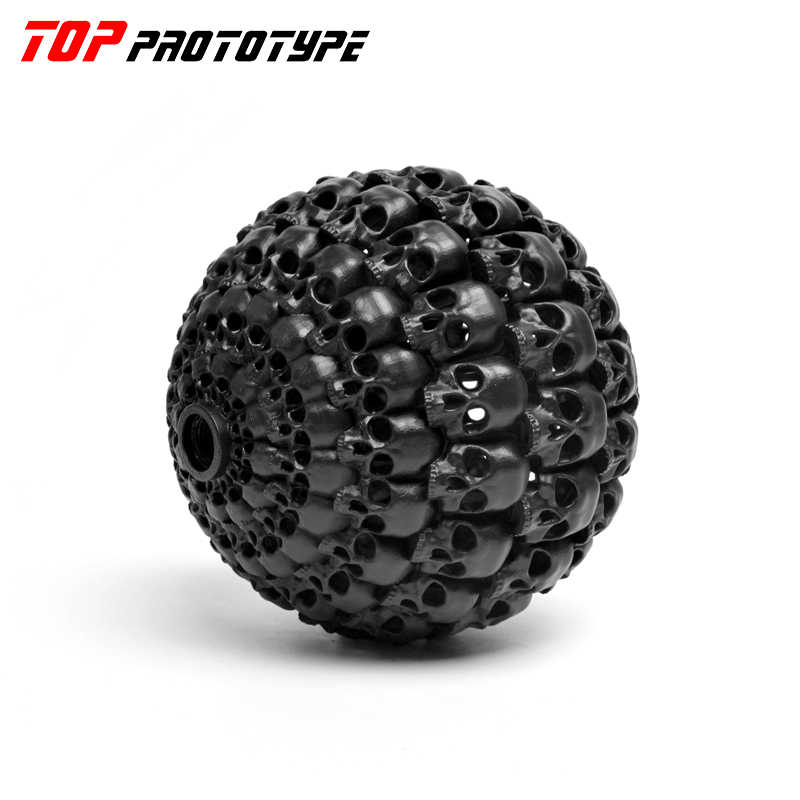
Unlike traditional manufacturing methods that involve subtractive processes, where materials are removed from a solid block, 3D printing builds objects layer by layer from the bottom up. This additive approach allows for greater design flexibility, reduced waste, and the ability to create complex geometries that were previously impossible or difficult to achieve.
One of the key benefits of 3D printing lies in its ability to create complex geometries and designs that were previously challenging or impossible using traditional manufacturing methods. It allows for rapid prototyping, enabling designers and engineers to iterate quickly and refine their creations. The on-demand production capability of 3D printing also reduces inventory costs and allows for localized manufacturing.
Moreover, 3D printing promotes sustainability by minimizing material waste. Unlike subtractive manufacturing processes where excess material is removed, additive manufacturing adds material only where it is needed, optimizing resource utilization. Additionally, 3D printing supports customization and personalization, as objects can be tailored to individual specifications, from jewelry to consumer products.
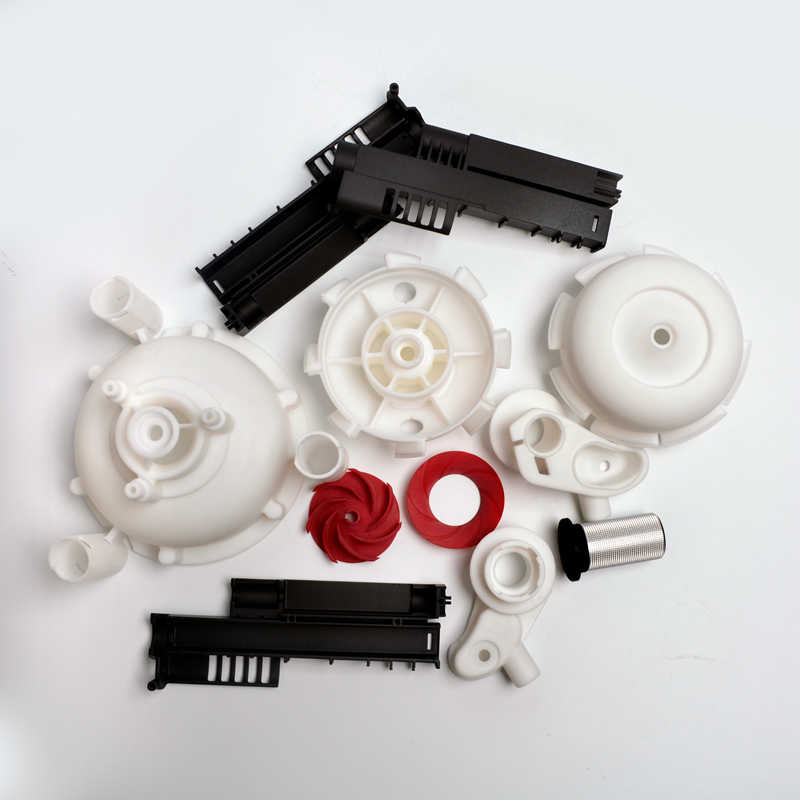
The process of 3D printing typically involves several key steps. Firstly, a digital design or model is created using computer-aided design (CAD) software or obtained from a 3D scanner. This design defines the shape, dimensions, and intricate details of the object to be printed.
Next, the digital design is sliced into thin cross-sectional layers by specialized software. These slices serve as instructions for the 3D printer, dictating the precise deposition of material at each layer.
The 3D printer then executes the printing process, depositing the chosen material, such as plastic, metal, or even biological substances, layer by layer, according to the instructions provided. The material is usually in the form of filaments, powders, or liquid resins, depending on the specific printing technology being used.
Different types of 3D printing technologies exist, including fused deposition modeling (FDM), stereolithography (SLA), selective laser sintering (SLS), and many more. Each technology has its own advantages and limitations, making it suitable for various applications and industries.
The applications of 3D printing are vast and span across numerous sectors. In the field of manufacturing, it enables rapid prototyping, allowing designers and engineers to quickly iterate and test their ideas before committing to large-scale production. It also facilitates the production of customized or personalized products, as each object can be individually tailored without incurring significant additional costs.
In the medical field, 3D printing has made significant contributions. It has been used to create patient-specific implants, prosthetics, and surgical models, enhancing the precision and effectiveness of medical procedures. Additionally, researchers are exploring the potential of 3D bioprinting, which involves the fabrication of functional human tissues and organs using living cells.
Beyond manufacturing and healthcare, 3D printing finds applications in architecture, aerospace, automotive, education, and even art and fashion. In aerospace, 3D printing has streamlined the manufacturing of lightweight components, reducing costs and enhancing performance. Architectural firms have embraced this technology to create intricate scale models and prototypes, aiding in visualization and design refinement. Its versatility and accessibility have made it increasingly popular among hobbyists, makers, and educators, allowing them to bring their creative ideas to life.
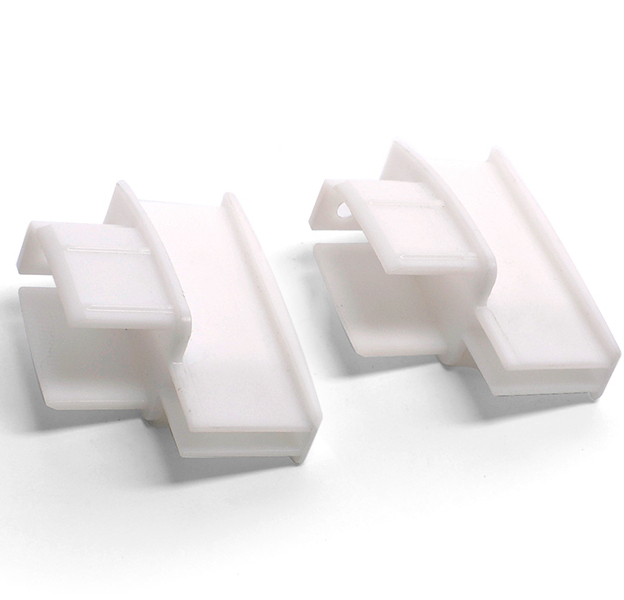
As 3D printing technology continues to evolve and advance, it holds the promise of transforming various industries and unlocking new possibilities for innovation and production. the future prospects for 3D printing are promising. Ongoing research aims to expand the range of printable materials, including metals, ceramics, and bio-compatible substances, opening up new possibilities in various industries. Advancements in printing speed and automation are being pursued, potentially revolutionizing the manufacturing landscape. With its ability to democratize manufacturing, reduce waste, and enable customized production, 3D printing is poised to reshape the way we create, design, and interact with physical objects in the future.
3D printing has emerged as a groundbreaking technology, offering immense potential for innovation, customization, and sustainability. By transforming digital designs into tangible objects, it has impacted industries ranging from healthcare to architecture, aerospace to consumer products. As 3D printing continues to evolve and overcome challenges, it holds the promise of reshaping traditional manufacturing processes and empowering individuals and industries with unprecedented capabilities. With ongoing advancements, we can anticipate a future where 3D printing plays a transformative role in diverse sectors, enabling creativity, efficiency, and new avenues for exploration.